






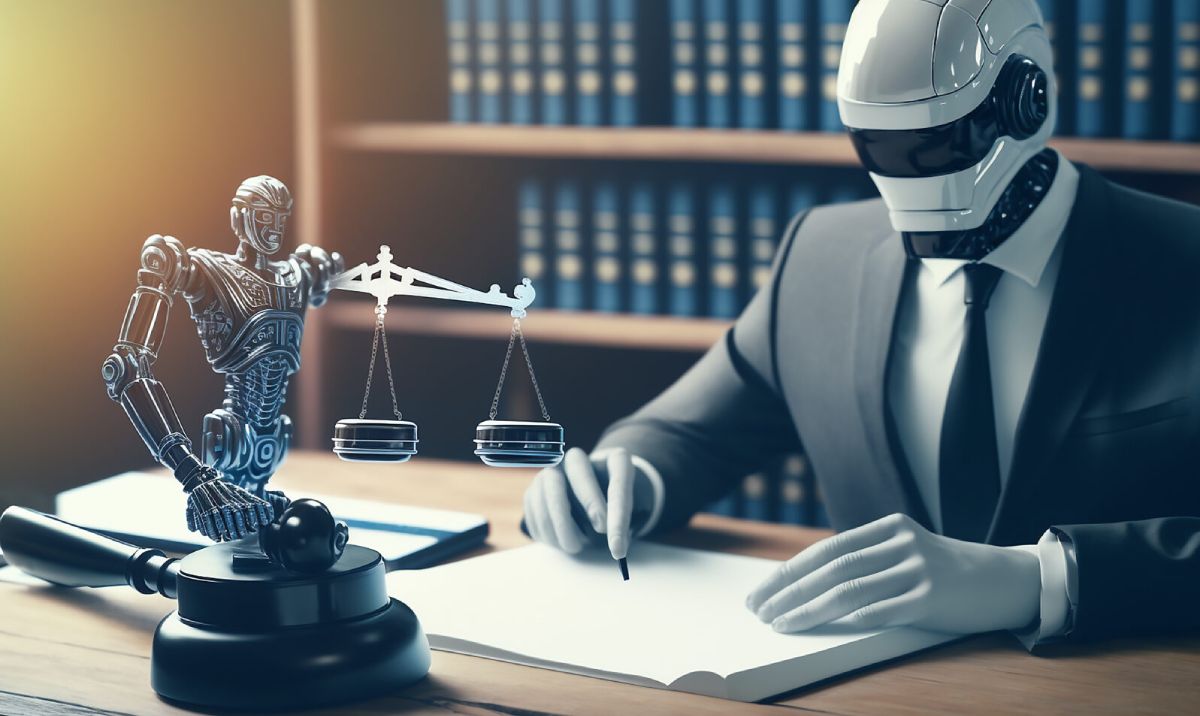
How Artificial Intelligence is Reshaping Legal Practice
For centuries, the practice of law has been defined by tradition. The image of a lawyer surrounded by towering stacks of case files, meticulously highlighting depositions, and burning the midnight oil to draft watertight contracts has been a staple of the profession. However, a new associate has joined the firm—one that never sleeps, never billable-hours fatigue, and reads millions of documents in the time it takes a human to brew a cup of coffee. This associate is Artificial Intelligence (AI), and its integration into legal practice is not a futuristic fantasy; it is a present-day revolution.
The most immediate and transformative impact of AI in law is in the realm of discovery and due diligence. Traditionally, the discovery process—the exchange of documents between parties in a lawsuit—has been the bane of legal practice. Teams of junior associates and paralegals would spend weeks or months manually sifting through thousands of emails, financial records, and memos. Today, AI-powered e-discovery tools utilize natural language processing (NLP) and machine learning to complete these tasks in a fraction of the time. These systems can identify relevant documents based on conceptual search terms, flag privilege, and even assess the sentiment of a communication. This doesn’t just save money for the client; it allows legal teams to build stronger, more nuanced cases by uncovering critical evidence that might have been missed by the human eye.
Beyond discovery, AI is revolutionizing legal research. Gone are the days of flipping through digests and supplementary pamphlets. Modern AI research platforms go beyond simple keyword searches. They understand the context of a query, can analyze a judge’s past rulings to predict how they might rule on a current motion, and can instantly surface the most relevant precedents from a universe of millions of cases. This shifts the lawyer’s role from a simple researcher to a strategic analyst, allowing them to focus on crafting compelling arguments rather than hunting for citations.
Furthermore, AI is democratizing access to legal expertise through automation. For corporate legal departments and law firms, AI-driven contract analysis tools can review a vendor agreement or a nondisclosure agreement in seconds, flagging non-standard clauses and potential risks against a firm’s preferred playbook. This allows in-house counsel to focus on high-stakes negotiations rather than routine administrative reviews.
However, the rise of the “robo-lawyer” raises profound questions. If AI can draft a basic will or an uncontested divorce filing, what happens to entry-level legal jobs? The consensus is that AI will not replace lawyers, but lawyers who use AI will replace those who do not. The profession is evolving; the demand for pure document review is shrinking, while the need for tech-savvy lawyers who can manage, interpret, and leverage AI tools is exploding.
Ethical considerations also loom large. Issues of data security, algorithmic bias, and the duty of technological competence are now front and center. A lawyer cannot simply blame an AI hallucination for a faulty filing; the ultimate responsibility and accountability rest with the human attorney.
In conclusion, artificial intelligence is not an invader in the legal profession but a powerful ally. It is automating the tedious, enhancing the analytical, and pushing the practice of law toward greater efficiency and accessibility. The future of law will not be argued solely by humans, but by a powerful partnership between human judgment and machine intelligence.